




ARTICLE ·
Use your T-shirt again and again: the life cycle of a uniform
By Vasilis
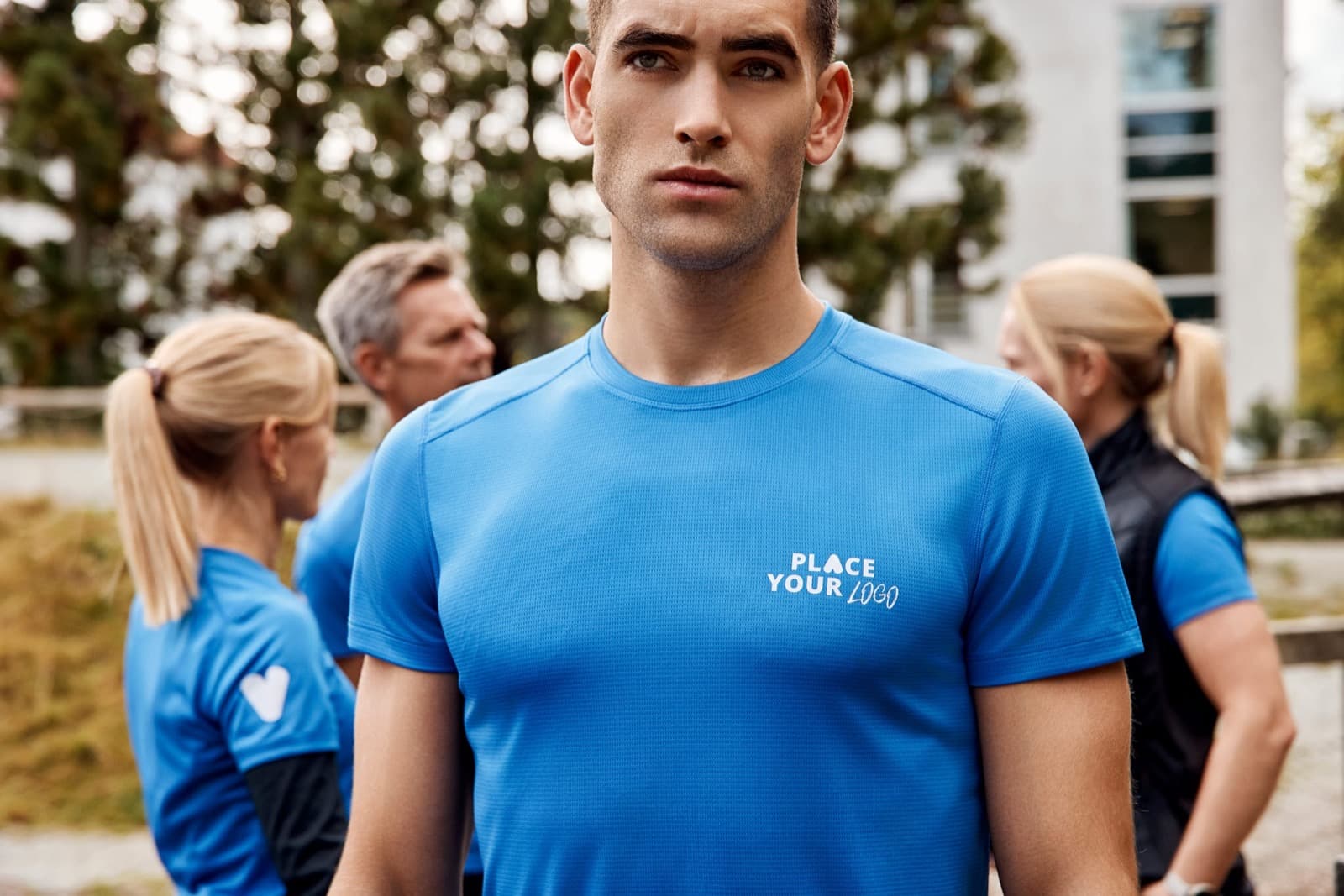
What does a T-shirt with your logo "cost" the environment? The question sounds simple, but the answer runs through the field, the factory, the transport, every shift it will be worn on and every wash it will go through. ID Identity, which Endyma Ikos represents exclusively in Greece, set out to measure exactly that. Its conclusions apply to every team that wears T-shirts and polo shirts, from service and the bar to a hotel's animation team.
What a life cycle assessment is
A life cycle assessment (LCA) looks at a product's environmental consequences from the raw material to the end of its life. ID worked with the organisation Textile Revolution and studied selected models of its T-shirts. A single number per T-shirt is hard to give, because dozens of processes sit behind each one: the extraction of raw materials, production, distribution and, above all, how many times it will be worn and washed. The report does show clearly, though, where the weight falls.
The study measures six categories of impact:
- Global warming: greenhouse gas emissions.
- Eco-toxicity: the biological, chemical or physical stresses on ecosystems.
- Land use: the area needed to grow and extract the raw materials.
- Eutrophication: fertiliser and wastewater reaching the water.
- Water use: in cultivation, in production and in laundering.
- Water shortage: the pressure on fresh water reserves.
Raw materials and production: where the weight falls
Most of a T-shirt's footprint is written before it reaches you, in the extraction of the raw material and in production. That is why ID is a member of Better Cotton: through the initiative, cotton farmers learn better techniques, with fewer chemicals and less water, and improve both the environmental outcome and their own living standards. Alongside that, ID products carry the EU Ecolabel, the guarantee that they were produced to strict environmental standards for chemicals, water, waste and energy.
Quality or longevity? The same thing
The difference between a high-quality and a low-quality T-shirt is significant, in production, in environmental impact, in social responsibility and in lifespan. A quality T-shirt lasts longer, so you buy fewer. For a food-service team that translates simply: the polo shirt that takes two hundred washes without losing shape or colour is cheaper, in money and in footprint, than two that take a hundred. ID's report on five of its T-shirts calculates exactly that, with full data for 110 or 200 washes per garment, depending on its specification.
The use stage: where you make the difference
The best way to reduce your T-shirt's footprint is to look after it and wear it for as long as possible. Two things help:
- Wash with care. ID has gathered fourteen laundry tips that cut resource use, preserve the fit and extend the garment's life. We sum them up in our article Wash with care.
- Repair before you replace. Before you throw away a T-shirt with a tear or a failed seam, see whether it can be repaired. It often can.
Kitchens have one more reason: selected ID T-shirts and polo shirts have been tested to DIN 10524, the standard for workwear in food premises, so the garment you look after properly also stays suitable for the bar and the kitchen.
End of life: recycling or a second use
When a T-shirt is truly worn out, ID encourages recycling or donating it and works with textile recycling and reuse organisations. Through NewRetex it is exploring how discarded textiles get a new life without losing their quality. Everything it does is published in its annual ESG report, under section 99a of the Danish Financial Statements Act.
What this means when you order
When you dress a team in T-shirts or polo shirts, the most environmental choice is almost always the most economical one too: a quality garment, in one colour for the whole team, that you will reorder next year, because ID keeps its styles for years. We tell you which models carry the EU Ecolabel, which are tested for industrial laundering, and how to care for them so that they reach their two hundred washes.
Source: ID Identity, Use your T-shirt again and again.